

Hey there! I'm part of a Fiberglass Septic supplier team, and today I want to share some tips on how to maintain a fiberglass septic tank. Fiberglass septic tanks are great options for many households due to their durability, resistance to corrosion, and relatively lightweight nature compared to other materials. But like any other system, they need proper maintenance to keep them running smoothly.
Regular Inspections
One of the most important aspects of maintaining a fiberglass septic tank is regular inspections. You should have your septic tank inspected at least once every three to five years. A professional inspector can check for any signs of damage, leaks, or blockages. During the inspection, they'll look at the tank's structure, the inlet and outlet pipes, and the overall condition of the system.
For example, they'll check if there are any cracks in the fiberglass. Even small cracks can lead to big problems over time, like leaks that can contaminate the soil and groundwater. They'll also make sure the baffles, which are the partitions inside the tank that help separate solids from liquids, are in good shape. If the baffles are damaged or clogged, it can affect the tank's ability to function properly.
You can find more information about high - quality fiberglass septic systems on our Fiberglass Septic page.
Pumping Schedule
Another crucial part of maintenance is pumping the septic tank. How often you need to pump depends on several factors, such as the size of the tank, the number of people in your household, and your water usage. Generally, a septic tank should be pumped every three to five years.
When you don't pump your tank regularly, solids build up at the bottom. These solids can eventually make their way into the drainfield, causing blockages and reducing the drainfield's ability to filter and treat wastewater. This can lead to costly repairs and environmental problems.
For larger households or those with high water usage, you might need to pump more frequently. On the other hand, if you have a smaller household and are conscious about water conservation, you might be able to stretch the time between pumpings a bit. But don't skip it altogether!
Water Conservation
Conserving water is not only good for the environment but also for your fiberglass septic tank. Excessive water usage can overload the septic system. When too much water enters the tank at once, it doesn't give the solids enough time to settle at the bottom. This can cause solids to be carried into the drainfield, which, as I mentioned earlier, can lead to blockages.
Simple things like fixing leaky faucets and toilets can make a big difference. A small leak in a faucet might not seem like a big deal, but over time, it can add up to a significant amount of water. Also, try to spread out your water - using activities. For example, don't do multiple loads of laundry in a row. Instead, space them out over a few days.
What Not to Flush
Be very careful about what you flush down the toilet or drain into the sink. Many common household items can cause problems for your septic tank. Avoid flushing things like wipes, sanitary products, paper towels, and cotton balls. These items don't break down easily in the septic tank and can cause blockages in the pipes and the tank itself.
Also, stay away from pouring grease, oil, and harsh chemicals down the drain. Grease and oil can solidify in the pipes and tank, creating blockages. Harsh chemicals, such as bleach and drain cleaners, can kill the beneficial bacteria in the septic tank. These bacteria are essential for breaking down the solids in the tank. Without them, the solids won't decompose properly, and the tank's performance will be affected.
Aerobic Septic Tanks
If you have a Fiberglass Aerobic Septic Tank, there are some additional maintenance steps. Aerobic septic tanks use oxygen to break down waste more efficiently than traditional anaerobic tanks. This means they require a power source to operate the aerator, which adds oxygen to the tank.
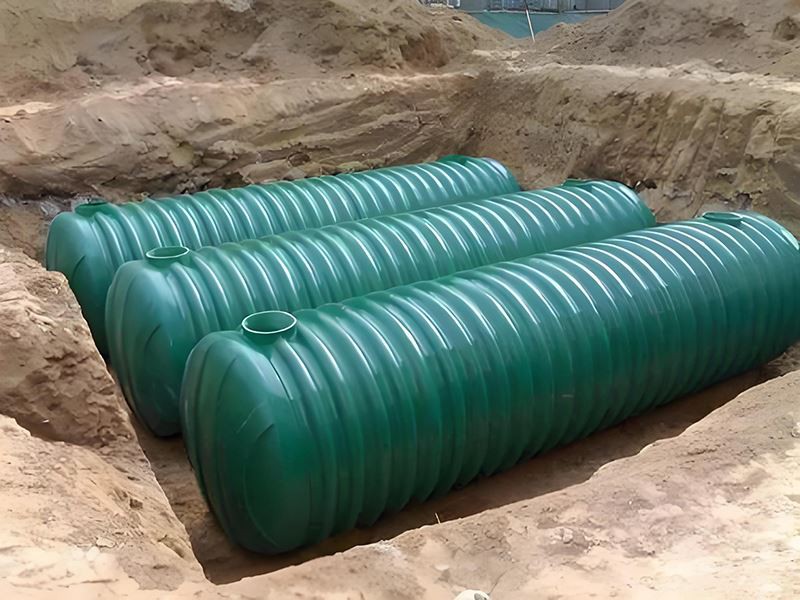

You need to make sure the aerator is working properly. Check the power supply regularly and look for any signs of damage to the aerator equipment. Also, keep an eye on the air diffusers, which are responsible for distributing the oxygen in the tank. If they get clogged, the aerobic process won't work effectively.
Protecting the Tank
The area around the fiberglass septic tank also needs some attention. Avoid driving heavy vehicles over the tank or the drainfield. The weight of the vehicles can damage the tank or compact the soil in the drainfield, reducing its ability to absorb and treat wastewater.
Don't plant trees or large shrubs near the septic tank or drainfield. The roots of these plants can grow into the pipes and tank, causing damage and blockages. If you want to do some landscaping, choose small, shallow - rooted plants instead.
GRP Septic Tanks
GRP (Glass - Reinforced Plastic) septic tanks, which are similar to fiberglass septic tanks, also have their own maintenance requirements. They share many of the same principles as regular fiberglass tanks, but due to their specific construction, they need to be handled with care.
You can learn more about GRP Septic Tanks and their unique features on our website. Make sure to follow the same inspection, pumping, and water - conservation guidelines as for other fiberglass tanks. And always be cautious when using chemicals around GRP tanks, as some chemicals can react with the material and cause damage.
When to Call a Professional
Even if you're doing all the right things to maintain your fiberglass septic tank, there might come a time when you need to call a professional. If you notice any signs of problems, such as slow - draining sinks or toilets, foul odors, or pooling water near the septic tank or drainfield, don't ignore them. These could be signs of a serious issue that needs to be addressed quickly.
A professional septic service provider has the tools and expertise to diagnose and fix the problem. They can also give you more personalized advice on maintaining your specific septic system.
Contact Us for Your Fiberglass Septic Needs
If you're in the market for a new fiberglass septic tank or need more information about maintenance, we're here to help. Our team has years of experience in the fiberglass septic industry, and we can provide you with high - quality products and expert advice. Whether you're a homeowner or a contractor, we can assist you in finding the right septic solution for your needs. Reach out to us, and let's start a conversation about your fiberglass septic requirements.
References
- "Septic System Owner's Guide" by the Environmental Protection Agency
- "Maintaining Your Septic System" published by local health departments