

Hey there! I'm a supplier of Fiberglass Septic systems, and I've seen my fair share of pump malfunctions in fiberglass septic tank systems. It can be a real headache when your pump starts acting up, but don't worry—I'm here to walk you through how to handle it.
Understanding the Basics of Your Septic System Pump
First things first, let's talk a bit about what the pump in a fiberglass septic tank system does. The pump is a crucial component that moves wastewater from the septic tank to the drain field or other treatment areas. Without a properly functioning pump, your entire septic system can go haywire.
There are different types of pumps used in septic systems, like effluent pumps and sewage pumps. Effluent pumps are designed to handle relatively clear wastewater that has already been partially treated in the septic tank. Sewage pumps, on the other hand, can handle solid waste and are usually used in systems where the wastewater has a higher solids content.

Signs of a Malfunctioning Pump
So, how do you know if your pump is malfunctioning? Here are some tell - tale signs:
- Slow Draining Fixtures: If your sinks, toilets, or showers are draining slowly, it could be a sign that the pump isn't moving the wastewater through the system as it should.
- Gurgling Noises: Unusual gurgling sounds coming from your drains or the septic tank area can indicate a problem with the pump.
- Sewage Backup: This is a serious red flag. If sewage starts backing up into your home or yard, it's likely that the pump has failed completely.
- High Water Level in the Tank: You can sometimes check the water level in your septic tank (if you have access). A higher - than - normal water level might mean the pump isn't removing the wastewater fast enough.
Troubleshooting a Malfunctioning Pump
Once you've identified that there's a problem with the pump, it's time to start troubleshooting. Here are some steps you can take:
Check the Power Supply
- First, make sure the pump is getting power. Check the circuit breaker or fuse box to see if the breaker has tripped or the fuse has blown. If it has, reset the breaker or replace the fuse. But be careful—if it trips or blows again right away, there's likely a more serious electrical issue with the pump.
- Also, check the power cord of the pump. Look for any signs of damage, like frayed wires. If you find any damage, don't try to fix it yourself. Call a professional electrician or septic system technician.
Inspect the Float Switch
The float switch is an important part of the pump system. It tells the pump when to turn on and off based on the water level in the tank. Sometimes, the float switch can get stuck or malfunction.
- To check the float switch, you'll need to access the pump chamber in the septic tank. Be very careful when doing this, as septic tanks can contain harmful gases. Use proper safety equipment like a respirator and gloves.
- Look to see if the float is moving freely. If it's stuck in one position, try gently moving it to see if it will free up. If it still doesn't work, the float switch may need to be replaced.
Check for Clogs
Clogs can also cause pump problems. Debris, like toilet paper, sanitary products, or even tree roots, can block the pump or the pipes leading to and from it.
- You can try using a plumbing snake to clear any clogs in the pipes near the pump. But if the clog is deeper in the system, it's best to call a professional.
- Sometimes, the impeller (the rotating part of the pump) can get clogged with debris. If you're comfortable doing so, you can remove the pump (again, following proper safety procedures) and check the impeller. If it's clogged, carefully clean it.
When to Call a Professional
While you can do some basic troubleshooting on your own, there are times when it's best to call in a professional septic system technician:
- Electrical Problems: If you suspect there's an electrical issue with the pump that you can't fix by simply resetting a breaker or replacing a fuse, a professional electrician or technician should handle it. Electrical work on septic pumps can be dangerous, and improper repairs can lead to further problems or even pose a safety hazard.
- Complex Repairs: If the pump needs major repairs, like a new motor or impeller replacement, it's best to let a professional do it. They have the tools and expertise to ensure the repair is done correctly.
- Persistent Problems: If you've tried all the troubleshooting steps and the pump still isn't working properly, it's time to call in the pros. They can diagnose the problem accurately and recommend the best course of action.
Preventing Pump Malfunctions
Prevention is always better than cure when it comes to septic system pumps. Here are some tips to keep your pump in good working condition:
- Proper Waste Disposal: Don't flush non - biodegradable items like wipes, sanitary products, or paper towels down the toilet. These can clog the pump and the pipes.
- Regular Maintenance: Have your septic system inspected and maintained regularly by a professional. They can check the pump, clean the tank, and make sure everything is working as it should.
- Protect the Pump from Damage: Avoid driving heavy vehicles over the area where the septic tank and pump are located. This can damage the tank and the pump.
Our Fiberglass Septic Tank Offerings
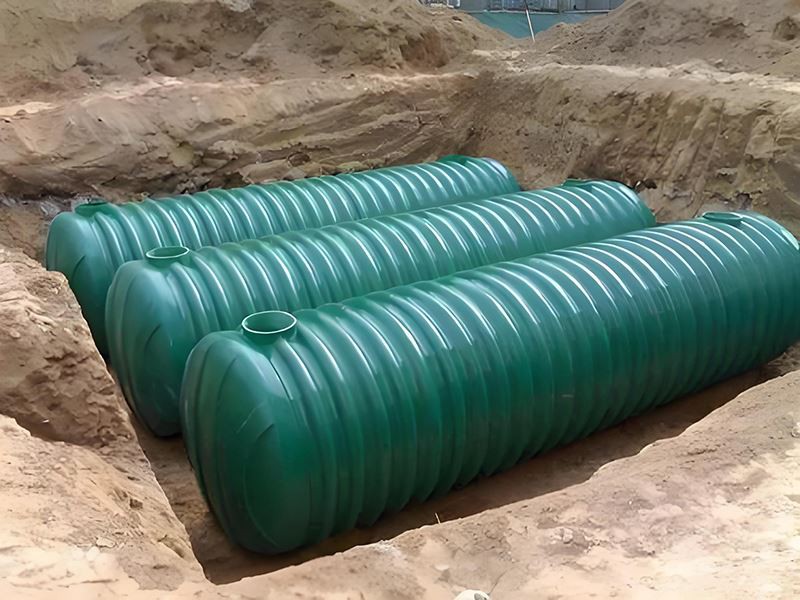
As a Fiberglass Septic supplier, we offer a range of high - quality fiberglass septic tanks. If you're in the market for a new septic tank, check out our GRP Septic Tanks. We also have 2000 Gallon Fiberglass Septic Tank and 1500 Gallon Fiberglass Septic Tank options to suit different needs.
If you're facing pump problems or need a new septic tank, don't hesitate to reach out. We're here to help you find the best solutions for your septic system. Whether you need advice on pump repairs or want to discuss purchasing a new tank, we're just a message or call away. Contact us today to start the conversation!
References
- "Septic System Operation and Maintenance", U.S. Environmental Protection Agency
- "Homeowner's Guide to Septic Systems", University of Minnesota Extension