

Hey there! As a pultruded grating supplier, I often get asked about the price differences between different types of pultruded grating. Well, let's dive right in and break it down for you.
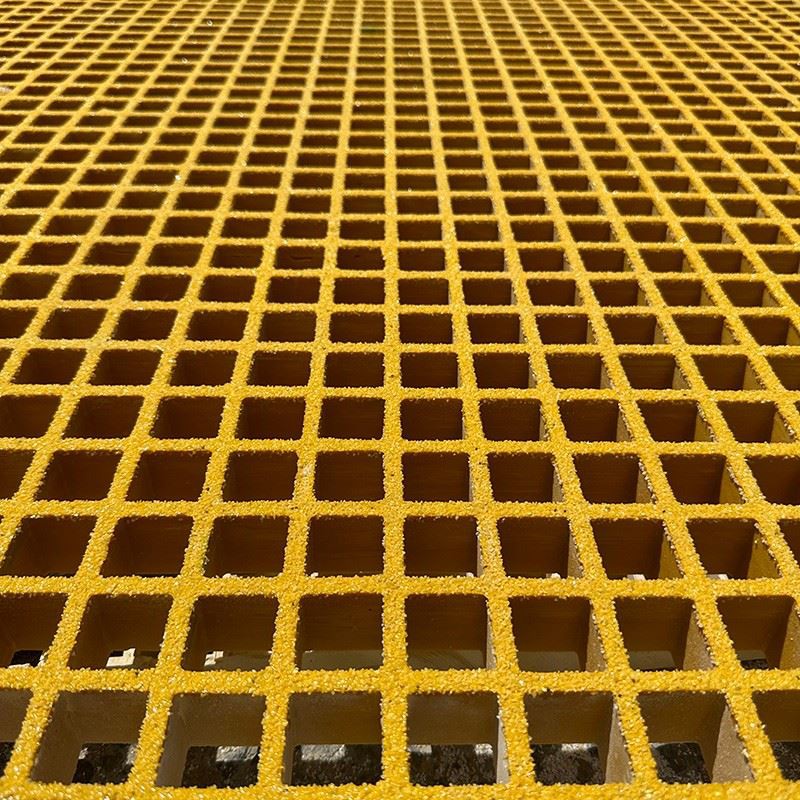
First off, let's talk about what pultruded grating is. Pultruded grating is a strong and durable material made through a process called pultrusion, where fibers are pulled through a resin bath and then shaped into a grating structure. It's used in a wide range of applications, from industrial flooring to walkways and even decorative purposes.
Now, when it comes to the price, there are several factors that can affect it. One of the main factors is the material used. The most common materials for pultruded grating are fiberglass and steel. Fiberglass grating is lightweight, corrosion-resistant, and has a long lifespan. On the other hand, steel grating is stronger and more rigid but can be prone to rust if not properly coated.
Let's start with fiberglass grating. There are different types of fiberglass grating, such as Fiberglass Grate Panels and Fiberglass Grating Sheets. Fiberglass grate panels are pre - fabricated panels that are easy to install. They come in various sizes and mesh patterns. The price of fiberglass grate panels can vary depending on the thickness, mesh size, and resin type.
Thicker panels generally cost more because they require more raw materials. For example, a 1 - inch thick fiberglass grate panel will be more expensive than a 0.5 - inch thick one. The mesh size also plays a role. A finer mesh, which provides more surface area and better support, will usually be pricier. And when it comes to resin types, some resins are more expensive due to their superior chemical resistance or fire - retardant properties.
Fiberglass grating sheets, on the other hand, are more flexible in terms of cutting and customization. You can cut them to fit your specific needs. The price of these sheets is also affected by similar factors as the panels. However, since they offer more flexibility in installation, they might have a slightly different price point compared to the pre - fabricated panels.
Now, let's compare fiberglass grating with Pultruded Grating made from other materials, like steel. Steel pultruded grating is known for its high strength. It can withstand heavy loads, which makes it a popular choice in industrial settings where there is a lot of traffic or heavy equipment.
The price of steel pultruded grating is influenced by the steel grade and the coating. Higher - grade steel will cost more because it has better mechanical properties. Also, if the steel grating is coated with a corrosion - resistant material like zinc, the price will go up. The coating is essential to protect the steel from rust and extend its lifespan, but it adds to the overall cost.
In general, fiberglass grating is usually more expensive than steel grating in terms of the initial purchase price. But when you factor in the long - term costs, fiberglass might actually be more cost - effective. Fiberglass doesn't rust, so you don't have to worry about costly maintenance and replacement due to corrosion. Steel, on the other hand, may require regular painting or coating to prevent rust, which can add up over time.
Another type of pultruded grating is aluminum grating. Aluminum is lightweight and has good corrosion resistance. However, the price of aluminum pultruded grating is often higher than fiberglass in most cases. This is because aluminum is a more expensive raw material, and the manufacturing process for aluminum grating can be more complex.
The design of the grating also affects the price. For example, a custom - designed grating with a unique shape or pattern will cost more than a standard, off - the - shelf design. Custom designs require additional engineering and manufacturing time, which adds to the cost.
When it comes to quantity, buying in bulk can significantly reduce the price per unit. If you're a large - scale project developer or an industrial facility, purchasing a large quantity of pultruded grating can save you a lot of money. Most suppliers, including us, offer volume discounts to encourage bulk purchases.
So, to sum it up, the price difference between different types of pultruded grating is influenced by factors such as the material (fiberglass, steel, aluminum), thickness, mesh size, resin or coating type, design, and quantity. If you're on a tight budget and need a strong grating for a short - term project, steel might be a good option. But if you're looking for a long - term solution with low maintenance requirements, fiberglass is the way to go.
If you're interested in purchasing pultruded grating for your project, whether it's for a small home improvement or a large industrial installation, don't hesitate to reach out. We can provide you with detailed quotes based on your specific requirements. Our team of experts can also help you choose the right type of pultruded grating that fits your budget and application needs. Contact us today to start the procurement process and get the best pultruded grating for your project.

References:
- Industry knowledge and experience as a pultruded grating supplier.
- General information on pultruded grating materials and manufacturing processes.