

Hey there! As a supplier of GRP FRP water tanks, I've seen my fair share of questions about these tanks. One of the most common queries is how to check the water level in a GRP FRP water tank. Well, you're in luck because I'm gonna break it down for you in this blog post.
Why Checking Water Level Matters
First off, let's talk about why it's important to check the water level in your GRP FRP water tank. Knowing the water level helps you manage your water usage efficiently. You can avoid running out of water when you need it the most, like during a long summer day when everyone's using water for showers, watering the garden, or doing laundry. On the flip side, it also prevents overfilling, which can lead to water wastage and potential damage to the tank or its surroundings.
Different Ways to Check Water Level
1. Float Gauges
Float gauges are one of the simplest and most common methods to check the water level in a GRP FRP water tank. These gauges work on a basic principle. There's a float that sits on the surface of the water inside the tank. As the water level rises or falls, the float moves up or down. This movement is then translated into a reading on a gauge outside the tank.
The great thing about float gauges is that they're relatively inexpensive and easy to install. You can find them in most hardware stores or order them online. However, they do have some limitations. For example, if there's debris or sediment in the tank, it can affect the movement of the float and give inaccurate readings. Also, in extreme weather conditions, like very cold temperatures, the float might freeze in place, making it unreliable.
2. Ultrasonic Level Sensors
Ultrasonic level sensors are a more high - tech option. These sensors work by emitting ultrasonic waves towards the water surface in the tank. The waves bounce back off the water, and the sensor measures the time it takes for the waves to return. Based on this time measurement, it can calculate the distance from the sensor to the water surface, and thus determine the water level.
The advantage of ultrasonic level sensors is that they're non - intrusive. You don't need to put anything inside the tank, which reduces the risk of contamination. They're also very accurate and can work in a wide range of environmental conditions. But they're more expensive than float gauges, and they require some technical knowledge to install and calibrate properly.
3. Pressure Sensors
Pressure sensors are another way to measure the water level in a GRP FRP water tank. These sensors are installed at the bottom of the tank. The pressure exerted by the water column above the sensor is proportional to the height of the water in the tank. By measuring this pressure, the sensor can calculate the water level.
Pressure sensors are quite reliable and can give continuous readings. They're also suitable for tanks of different shapes and sizes. However, like ultrasonic sensors, they can be a bit pricey, and they need to be installed correctly to ensure accurate readings.
Considerations for GRP FRP Tanks
When it comes to GRP FRP water tanks, there are a few things to keep in mind when checking the water level. These tanks are made of fiberglass - reinforced plastic, which is a strong and durable material. But they can be sensitive to certain chemicals and extreme temperatures.
If you're using a float gauge, make sure the materials used in the float and the gauge are compatible with the GRP FRP material. Some chemicals in the water or the environment can cause corrosion or degradation of the float or the gauge, leading to inaccurate readings or even damage to the tank.
For ultrasonic and pressure sensors, ensure that the installation process doesn't damage the tank. These sensors usually require holes to be drilled in the tank for installation, so it's important to follow the manufacturer's instructions carefully.
Our Range of Tanks
As a GRP FRP water tank supplier, we offer a wide range of tanks to meet different needs. If you're looking for a more modern and stylish option, check out our Stainless Steel Square Tank. It combines the strength of stainless steel with the functionality of a water tank.
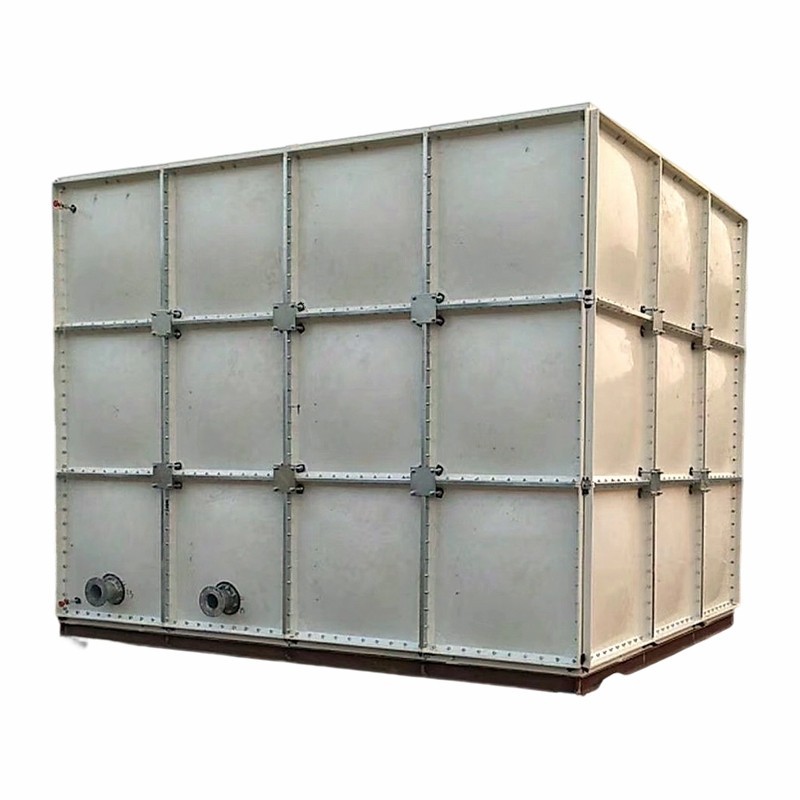

For those who need to store water underground, our FRP Underground Water Tank is a great choice. It's designed to withstand the pressure of being buried underground and is resistant to corrosion.
And if you're involved in water treatment, our FRP Tank for Water Treatment is specifically designed to handle the chemicals and processes involved in water treatment.
Conclusion
Checking the water level in a GRP FRP water tank is an important part of tank maintenance. Whether you choose a simple float gauge, a high - tech ultrasonic sensor, or a reliable pressure sensor, make sure it suits your needs and the characteristics of your tank.
If you're in the market for a new GRP FRP water tank or have any questions about water level monitoring, don't hesitate to reach out. We're here to help you make the best choice for your water storage needs. Let's start a conversation and see how we can work together to ensure you have a reliable water storage solution.
References
- "Water Tank Level Monitoring: A Comprehensive Guide", Water Storage Magazine, 2022
- "GRP FRP Tank Installation and Maintenance Manual", Industry Standards Publication, 2021