

In the realm of industrial and architectural applications, grating serves as a crucial component for flooring, walkways, platforms, and more. Among the various types of grating available in the market, fibreglass grating and wood grating are two popular choices, each with its own set of characteristics, advantages, and limitations. As a supplier of [Fibreglass Grating], I am often asked about the differences between these two materials. In this blog post, I will provide a comprehensive comparison of fibreglass grating and wood grating to help you make an informed decision for your specific needs.
Material Composition and Manufacturing Process
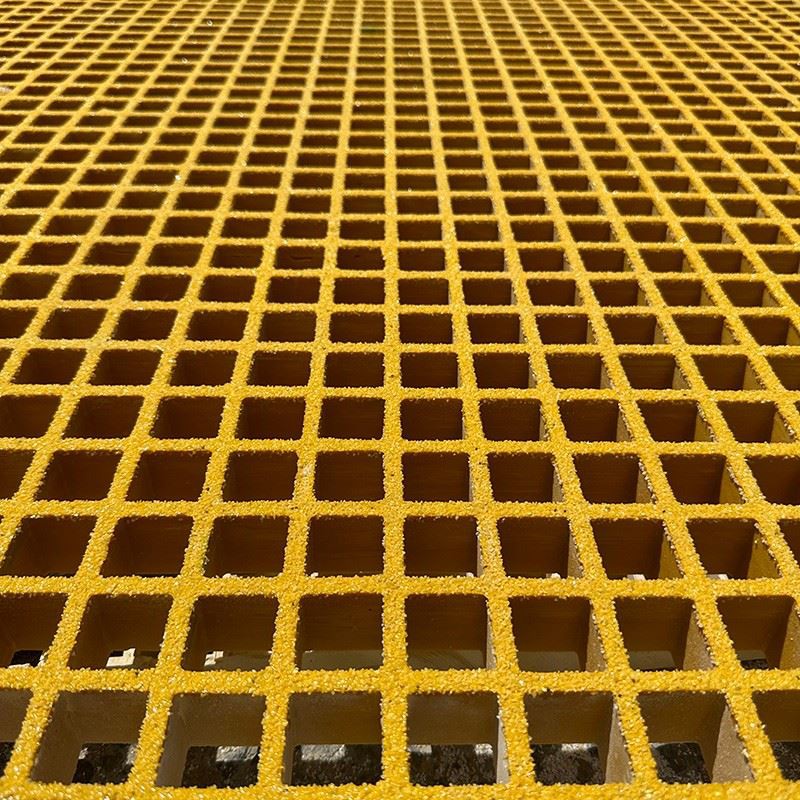
Fibreglass grating, also known as fiberglass-reinforced plastic (FRP) grating, is made from a combination of fiberglass strands and a resin matrix. The manufacturing process typically involves pultrusion, a continuous process where fiberglass rovings are pulled through a resin bath and then through a heated die to form the desired shape. This results in a strong, lightweight, and corrosion-resistant product. [Pultruded Grating] is a common type of fibreglass grating that offers high strength and durability.
On the other hand, wood grating is made from natural wood, typically hardwoods such as oak, teak, or pine. The wood is cut into the desired shape and size and then treated with preservatives to enhance its durability and resistance to decay. The manufacturing process for wood grating is relatively simple, but it requires careful selection of the wood and proper treatment to ensure its long-term performance.
Strength and Durability
One of the key advantages of fibreglass grating is its high strength-to-weight ratio. Fibreglass grating can withstand heavy loads and impacts without deforming or breaking, making it suitable for a wide range of industrial and commercial applications. It is also highly resistant to corrosion, chemicals, and UV radiation, which means it can be used in harsh environments without deteriorating over time. [Fiberglass Grating Sheets] are available in various thicknesses and mesh sizes to meet different load requirements.
Wood grating, while strong, is more susceptible to damage from moisture, insects, and rot. Over time, wood can warp, crack, and decay, especially in outdoor or high-moisture environments. However, with proper maintenance and treatment, wood grating can last for many years. It is important to choose a high-quality wood and apply a protective finish regularly to extend its lifespan.
Slip Resistance
Slip resistance is an important consideration for grating used in areas where there is a risk of slipping, such as walkways, stairs, and platforms. Fibreglass grating typically has a textured surface that provides excellent slip resistance, even when wet. This makes it a safe choice for industrial and commercial applications where safety is a top priority.
Wood grating can also be made slip-resistant by applying a non-slip coating or by using a rough-textured wood. However, the slip resistance of wood grating may decrease over time as the surface wears down or becomes dirty. Regular cleaning and maintenance are necessary to ensure the continued slip resistance of wood grating.
Fire Resistance
Fire resistance is another important factor to consider, especially in industrial and commercial settings where there is a risk of fire. Fibreglass grating is inherently fire-resistant and can be further enhanced with fire-retardant additives. It has a low flame spread rating and does not produce toxic smoke or fumes when exposed to fire, making it a safe choice for areas where fire safety is a concern.
Wood grating is combustible and can contribute to the spread of fire. However, it can be treated with fire-retardant chemicals to improve its fire resistance. It is important to note that the effectiveness of fire-retardant treatments may vary depending on the type of wood and the application method.
Cost
The cost of fibreglass grating and wood grating can vary depending on several factors, such as the size, thickness, and quality of the material. In general, fibreglass grating is more expensive than wood grating upfront. However, when considering the long-term cost, fibreglass grating may be more cost-effective due to its durability and low maintenance requirements.
Wood grating is typically less expensive than fibreglass grating initially, but it may require more frequent replacement and maintenance over time. The cost of wood grating also depends on the type of wood used, with hardwoods generally being more expensive than softwoods.

Installation and Maintenance
Fibreglass grating is relatively easy to install and can be cut to size using standard tools. It is lightweight, which makes it easier to handle and transport. Fibreglass grating also requires minimal maintenance, typically only requiring occasional cleaning to remove dirt and debris.
Wood grating can be more difficult to install, especially if it is a large or complex project. It may require specialized tools and skills to cut and install the wood properly. Wood grating also requires regular maintenance, such as staining, sealing, and treating to prevent decay and damage.
Environmental Impact
In today's environmentally conscious world, the environmental impact of building materials is an important consideration. Fibreglass grating is made from recycled materials and can be recycled at the end of its lifespan, making it a sustainable choice. It also has a low carbon footprint compared to other materials, as it requires less energy to manufacture and transport.
Wood grating is a natural and renewable resource, but its production can have a significant impact on the environment if not managed sustainably. Deforestation, habitat destruction, and the use of chemical treatments are some of the environmental concerns associated with wood grating. However, by choosing wood that is sourced from sustainable forests and using environmentally friendly treatments, the environmental impact of wood grating can be minimized.
Conclusion
In conclusion, both fibreglass grating and wood grating have their own advantages and disadvantages. The choice between the two depends on several factors, such as the specific application, the environment in which it will be used, the budget, and the desired aesthetic. As a supplier of [Fibreglass Grating], I believe that fibreglass grating offers many benefits over wood grating, including high strength, durability, corrosion resistance, slip resistance, fire resistance, and low maintenance requirements. However, wood grating may be a better choice for applications where a natural look and feel are desired or where the budget is limited.
If you are considering using grating for your next project, I encourage you to contact us to discuss your specific needs. Our team of experts can provide you with detailed information about our [Fibreglass Grating] products and help you choose the right solution for your application. We are committed to providing high-quality products and excellent customer service, and we look forward to working with you.
References
- "Fiberglass Reinforced Plastic (FRP) Grating: A Comprehensive Guide." CompositesWorld, 2023.
- "Wood Grating: Properties, Applications, and Maintenance." Woodworking Network, 2023.
- "Slip Resistance of Grating: Standards and Testing Methods." ASTM International, 2023.
- "Fire Resistance of Building Materials: A Review." Journal of Fire Sciences, 2023.
- "Environmental Impact of Building Materials: A Comparative Analysis." Building and Environment, 2023.