

Can pultruded grating be recycled? That's a question I get asked a lot as a pultruded grating supplier. And it's a good one, especially these days when everyone's more conscious about the environment. So, let's dig into this topic and see what we can find out.
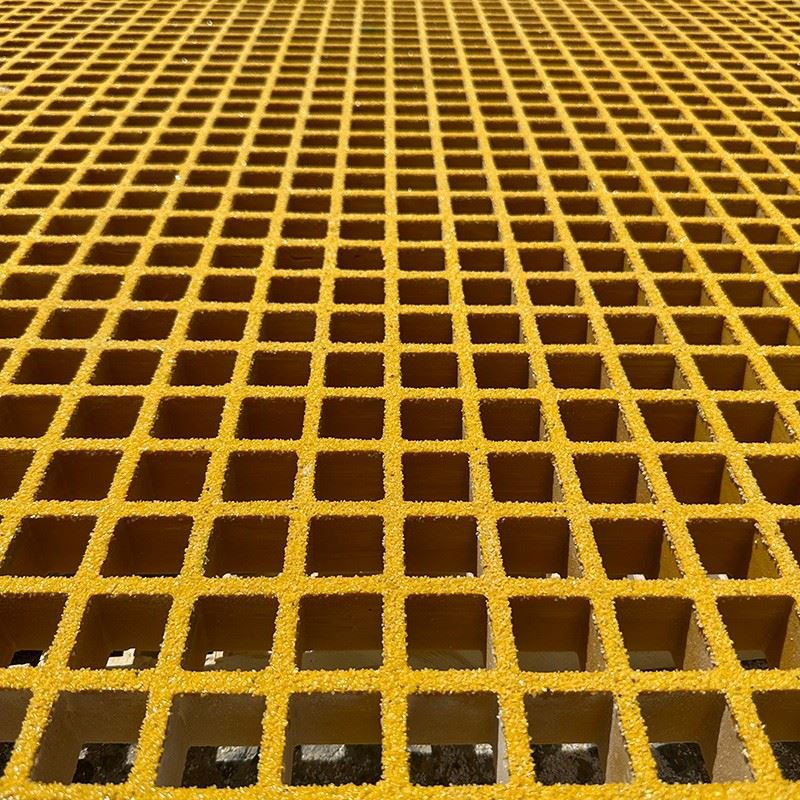
First off, let's talk a bit about what pultruded grating is. Pultruded grating is a type of fiberglass grating that's made through a process called pultrusion. In this process, fibers are pulled through a resin bath and then through a heated die to form a strong, lightweight material. It's used in a whole bunch of applications, from industrial flooring to walkways and even in some decorative settings. You can check out our Fiberglass Grate Panels and Fiberglass Grating Sheets on our website to get an idea of the different types available.
Now, back to the big question: can it be recycled? The short answer is yes, but it's not as straightforward as recycling some other materials. Pultruded grating is made up of fiberglass and resin, and the recycling process has to deal with both of these components.
Let's start with the fiberglass. Fiberglass is actually a pretty recyclable material. It's made from glass, which is a natural resource that can be melted down and reused. When it comes to recycling fiberglass from pultruded grating, the first step is usually to break it down into smaller pieces. This can be done through mechanical processes like grinding or shredding. Once the fiberglass is in smaller pieces, it can be melted and reformed into new products. Some companies are even using recycled fiberglass to make things like insulation, new fiberglass products, and even some types of construction materials.
The resin, on the other hand, is a bit more tricky. Resins used in pultruded grating are typically thermosetting resins, which means they harden when they're cured and can't be melted down and remolded like thermoplastic resins. However, there are still ways to recycle thermosetting resins. One method is called chemical recycling, where the resin is broken down into its chemical components using heat, pressure, or chemicals. These components can then be used to make new resins or other chemical products. Another approach is to use the resin as a filler or additive in other materials. For example, it can be mixed with concrete to improve its strength and durability.
But here's the thing: the recycling of pultruded grating isn't as widespread as we'd like it to be. There are a few reasons for this. First, the recycling process can be expensive. Breaking down the fiberglass and resin, and then reforming them into new products, requires specialized equipment and energy. This means that the cost of recycling can sometimes be higher than the cost of producing new pultruded grating from raw materials.
Second, there aren't as many recycling facilities that are set up to handle pultruded grating. Most recycling centers are focused on more common materials like paper, plastic, and metal. So, finding a place to recycle your pultruded grating can be a challenge.
Despite these challenges, there's a growing interest in recycling pultruded grating. More and more companies are looking for ways to reduce their environmental impact, and recycling is an important part of that. Some manufacturers are even starting to offer take-back programs, where they'll collect used pultruded grating from customers and recycle it themselves.
So, what does this mean for you as a potential buyer of pultruded grating? Well, if you're concerned about the environment, you can still make a difference. When you're choosing a pultruded grating supplier, look for one that's committed to sustainability. Ask them about their recycling policies and whether they offer any take-back programs. You can also look for products that are made with recycled materials. Many of our Pultruded Grating products are designed with sustainability in mind, and we're always looking for ways to improve our recycling processes.
In addition to choosing a sustainable supplier, you can also make sure to properly maintain your pultruded grating. By taking good care of it, you can extend its lifespan and reduce the need for frequent replacements. This not only saves you money in the long run but also helps to reduce the amount of waste that ends up in landfills.
If you're interested in learning more about pultruded grating or have any questions about our products, don't hesitate to get in touch. We're here to help you find the right solution for your needs, whether it's for a small project or a large industrial application. And who knows, maybe together we can make a bigger impact on the environment by promoting the recycling of pultruded grating.
In conclusion, while the recycling of pultruded grating has its challenges, it is definitely possible. With the right technology and a growing commitment to sustainability, we can expect to see more and more pultruded grating being recycled in the future. So, if you're in the market for pultruded grating, consider the environmental impact and choose a supplier that shares your values.
References

- Industry reports on fiberglass recycling
- Research papers on thermosetting resin recycling
- Information from pultruded grating manufacturers